Although diesel fuels may look similar, they are intended for different applications. On-road diesel includes highway taxes and is required for vehicles operating on public streets. In contrast, off-road diesel contains red dye, is typically exempt from highway taxes, and is limited to eligible machinery used away from public roads. Misusing either fuel may lead to fines and avoidable expenses.
This article explains the key distinctions between on-road vs off-road diesel, including identification, permitted applications, pricing, regulations, and why working with a dependable fuel supplier matters.
On-Road Vs. Off-Road Diesel: Key Differences Explained

Understanding each diesel type makes their differences easier to recognize. The following sections cover on-road and off-road diesel, including their taxation, color, pricing, applications, similarities, and key distinctions.
On-Road Diesel Explained
On-road diesel is formulated for diesel-powered vehicles that travel on public highways and is typically sold as clear fuel at service stations. Although some people use the term green diesel, it generally describes renewable or lower-impact diesel fuels rather than indicating that the fuel is actually green.
Diesel’s appearance may offer some indication of its condition, but color alone cannot reliably determine fuel age or quality. Properly stored, fresh diesel generally looks clear and bright, whereas contaminated or deteriorated fuel can become cloudy or darker and may affect engine performance. Choosing a dependable fuel supplier helps maintain consistent fuel quality.
Understanding Off-Road Diesel
Off-road diesel is mainly intended for agricultural, construction, and industrial applications. It fuels equipment used on farms, manufacturing facilities, and job sites. These operations often depend on stationary diesel-powered machinery to improve output and operational efficiency. Some locations also operate vehicles that stay entirely onsite instead of traveling on public highways. Residential properties may also use off-road diesel for winter heating.
Federal and state regulations establish eligible uses and applicable tax requirements for this fuel. Refineries add red dye to clearly differentiate off-road diesel from taxable on-road fuel. The dyes commonly used are Solvent Red 26 and Solvent Red 164. They remain identifiable even in small concentrations.
Similarities Between On-Road And Off-Road Diesel
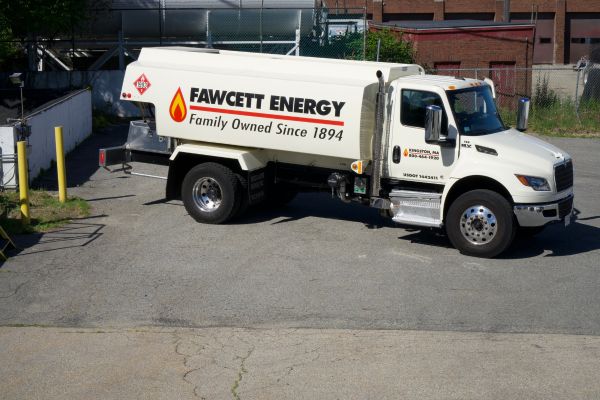
On-road and off-road diesel share more similarities than differences:
- Chemical Composition: Both fuels have essentially the same chemical composition and can provide comparable performance in diesel engines.
- Diesel Engine Compatibility: Equipment that normally uses off-road diesel can operate on on-road diesel when necessary, although the higher cost makes this less economical.
- Performance: Both diesel types deliver similar engine performance when used in compatible diesel equipment.
- Physical Compatibility: Road vehicles can technically operate on off-road diesel, but using dyed fuel in vehicles traveling on public roads is generally prohibited.
- Legal Restrictions: Fuel users must follow applicable regulations. Using red-dyed off-road diesel for unauthorized on-road purposes can result in fines and other penalties.
Comparing On-Road And Off-Road Diesel
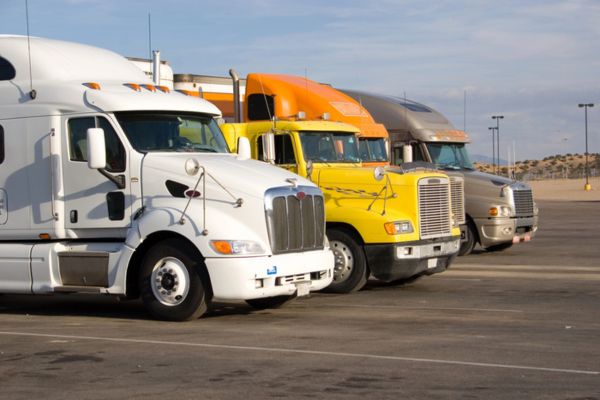
The primary distinctions between on-road and off-road diesel include the following:
Fuel Taxes
Taxation is the most significant difference. On-road diesel includes federal and state fuel taxes that support highways and transportation systems used by drivers. The federal diesel tax remains uniform nationwide, while state taxes and related charges differ by location and may depend on fuel volume, purchase cost, or regional requirements. Off-road diesel is typically exempt from highway taxes because it is designated for eligible non-road uses.
Fuel Color
Since highway and off-road diesel share essentially the same fuel specifications, regulators rely on dye to differentiate their designated uses. On-road diesel remains clear, whereas off-road fuel contains red dye, making it easier for inspectors to identify untaxed diesel.
When unauthorized fuel use is suspected, officials may inspect a vehicle, collect a fuel sample, or examine the fuel filter for traces of red dye. Using dyed diesel in a vehicle traveling on public roads may trigger substantial fines under applicable federal or state regulations. Complying with diesel fuel rules helps drivers avoid costly penalties.
Diesel Pricing
Lower prices can make red diesel tempting for some drivers. Highway diesel costs more because federal and state taxes are included in its retail price, while qualifying off-road diesel avoids certain highway-use taxes. Depending on applicable tax rates, the price difference may be significant per gallon.
Drivers who frequently refuel for long-distance trips might see untaxed diesel as an opportunity to reduce fuel expenses. However, using off-road diesel illegally on public highways can lead to substantial penalties. Any short-term savings are unlikely to justify the potential financial consequences.
Approved Uses
Off-road diesel is legally limited to eligible equipment that operates away from public highways. Construction applications include cranes, loaders, rollers, compactors, earthmovers, backhoes, excavators, trenchers, forklifts, and scrapers. Agricultural operations use it for tractors, harvesters, irrigation pumps, and similar machinery that increases productivity, lowers labor requirements, and supports farm profitability.
Certain states may also allow off-road diesel for vehicles operated entirely on private property. By comparison, on-road diesel generally powers diesel cars, SUVs, and light-duty trucks that routinely travel on public highways.
Fuel Availability
On-road diesel is readily accessible at service stations, allowing drivers to refuel conveniently despite paying higher prices. In certain states, qualified long-haul truckers with appropriate tax credentials may participate in specific tax-exempt fuel programs when permitted under current regulations.
Off-road diesel is often supplied in bulk by distributors such as Fawcett Energy. Farms, construction companies, and other businesses can arrange direct fuel deliveries based on their operational needs. While select rural stations may offer off-road diesel, local availability can vary. Choosing an established fuel provider helps ensure dependable deliveries and consistent access to the fuel your equipment requires.
On-Road Vs Off-Road Diesel: Frequently Asked Questions

Why Is Fuel Oil A Reliable Choice For Home Heating?
Heating oil provides homeowners with dependable, efficient warmth, particularly during harsh Massachusetts winters. Its strong heat output allows heating systems to warm indoor spaces quickly and maintain consistent comfort during periods of extreme cold. Today’s heating oil also burns cleaner than earlier formulations, helping reduce environmental impact while remaining a practical and reliable home energy option.
How Can You Maintain Heating Oil Quality?
Choose a dependable supplier that provides high-quality heating oil and reliable delivery. Scheduling deliveries before fuel runs low and arranging routine heating system maintenance can help maintain efficient operation, consistent performance, and dependable home comfort throughout the heating season.
What Makes Home Heating Oil Different From Other Home Heating Fuels?
Heating oil delivers high energy output for efficient, dependable warmth. It is non-explosive under normal conditions and requires specialized equipment for combustion. With proper maintenance, oil-fired heating systems can also provide reliable performance and a long service life.
What Are The Benefits Of Choosing A Dependable Oil Provider?
A reliable heating oil company helps maintain uninterrupted home comfort during cold Massachusetts winters. Trusted providers offer dependable scheduling, consistent deliveries, and quality fuel that supports efficient heating system performance. This reliable service helps homeowners stay comfortable throughout the heating season.
What Steps Should You Take If Your Fuel Oil Runs Out?
Contact your heating oil provider promptly to arrange a delivery. Keep the heating system off until fuel arrives, as professional service may be necessary to safely restart the equipment and restore normal operation. Monitoring fuel levels regularly or using an automatic delivery service can help prevent future runouts.
Conclusion
On-road and off-road diesel provide similar performance but differ in taxation, color, legal use, and availability. On-road diesel is taxed for vehicles using public roads and is widely available at fuel stations. In contrast, lower-cost off-road diesel is intended for qualifying applications such as agricultural and construction equipment. Red dye distinguishes off-road fuel and helps authorities identify unauthorized use.
For dependable diesel delivery and a steady fuel supply, contact Fawcett Energy today to discuss your needs and schedule service.
Call Fawcett Energy For Dependable Heating Oil Delivery in MA
Fawcett Energy delivers quality heating oil to homes and businesses throughout Massachusetts, helping customers maintain reliable warmth during the colder months. With convenient automatic delivery, competitive pricing, and responsive communication, we make it easier to keep your property comfortably heated throughout winter.
Our services extend beyond fuel delivery. Fawcett Energy provides professional HVAC installations, routine maintenance, and expert repairs to support efficient, dependable equipment performance. Having one experienced company handle your fuel and HVAC needs simplifies year-round comfort care.
Count on Fawcett Energy for knowledgeable service, reliable deliveries, and customer-focused support. Contact us today to arrange heating oil delivery or schedule a personalized consultation.
You can click here to contact us now or call us at 800-792-5678 to find out more! Click the link to view our service area.

Related Articles: