Heating oil expenses can account for a substantial portion of a household budget during the colder months, particularly when freezing temperatures persist. Since reliable warmth remains essential, simply cutting back on heating is rarely a practical solution. Instead, improving system efficiency, purchasing fuel strategically, and reducing avoidable heat loss can help control energy expenses without sacrificing indoor comfort.
This article explores 10 practical ways to save money on oil heating costs while keeping your home consistently warm and comfortable.
Why Fuel Oil Costs in Massachusetts, Southern New Hampshire, and Rhode Island Increase During Winter
Heating oil costs depend on more than fuel prices. Cold weather, household heating demand, and how efficiently your home converts fuel into usable heat can significantly affect total winter spending.
10 Effective Ways to Lower Heating Oil Costs in MA, NH, and RI

Several factors you can control influence how much heating oil your home consumes and what you spend throughout the heating season.
1. Track Heating Oil Consumption With a Smart Gauge
A smart oil tank gauge monitors fuel levels and usage trends, giving you a clearer picture of how quickly your household consumes heating oil. This information can reveal how outdoor temperatures, thermostat adjustments, and efficiency upgrades influence fuel use. Accurate monitoring also helps you schedule deliveries more effectively and reduce the risk of running out.
2. Manage Indoor Temperatures With a Programmable or Smart Thermostat
A programmable or smart thermostat adjusts temperatures based on your sleeping, working, and daily household schedule. Setting temperatures lower when less heating is required can reduce furnace or boiler runtime while maintaining comfort when your home is occupied. Consistent temperature control can help decrease heating oil consumption throughout the season.
3. Maintain Clean Heating System Filters
Dirty filters in oil-fired forced-air systems can restrict airflow and make heating less efficient. Inspect filters regularly and clean or replace them according to manufacturer recommendations, particularly in homes with pets or higher dust levels. Boilers and other oil heating equipment may require different maintenance, so follow the appropriate guidelines for your specific system.
4. Arrange Annual Professional Heating System Service
Yearly professional maintenance helps keep an oil-fired heating system efficient and dependable. A technician can inspect essential components, clean necessary parts, assess combustion performance, and detect developing issues. Scheduling service before winter helps address potential problems before they increase fuel consumption or cause unexpected breakdowns.
5. Reduce Heat Loss by Sealing Air Leaks
Cracks around windows, exterior doors, and other openings can let heated air escape while allowing cold air indoors, increasing demand on your heating system. Caulk, weatherstripping, and proper air sealing can minimize drafts and energy loss. Check gaps around pipes, wiring, vents, and junctions where different building materials connect.
6. Upgrade Insulation to Retain More Heat
Effective insulation limits heat loss, allowing your home to stay warmer with less furnace or boiler runtime. Insufficient or deteriorated insulation in attics, exterior walls, and floors above unheated spaces can increase heating oil use. Improving insulation in these areas can reduce energy expenses while supporting steadier indoor temperatures.
7. Limit Heating in Seldom-Used Spaces
Rooms used infrequently may require less heat than regularly occupied areas. However, shutting off supply vents can interfere with airflow and pressure in forced-air systems. Professionally designed zoning offers better temperature control without affecting system operation or creating frozen-pipe concerns. Consult a heating professional before making substantial adjustments.
8. Manage Heating Oil Purchases Wisely
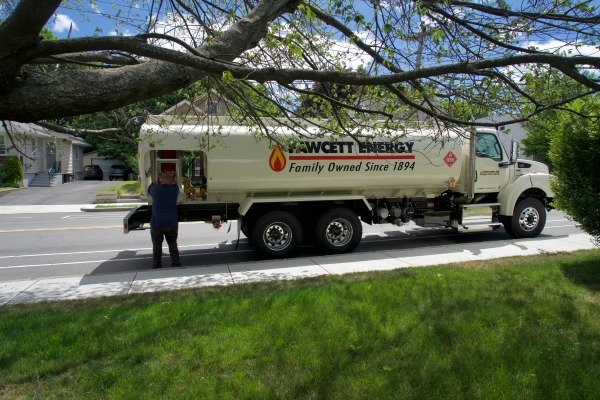
Heating oil prices can change based on crude oil markets, regional demand, weather conditions, and transportation expenses. Instead of depending on seasonal price trends, track local rates and ask your supplier about budget programs, price-protection options, or automatic delivery. Automatic delivery can also reduce runout risks by estimating refill timing based on fuel usage and weather patterns.
9. Reduce the Risk of Emergency Fuel Deliveries
Running out of fuel oil can leave your home without heat and may lead to extra delivery or service expenses. Check your fuel level regularly and arrange deliveries before supplies become critically low. Many homeowners reorder near the one-quarter mark, although tank capacity, consumption, weather, and supplier lead times can affect timing. Automatic delivery can further minimize emergency refill risks.
10. Limit Unnecessary Exhaust Fan Use
Kitchen and bathroom exhaust fans remove moisture, odors, and airborne contaminants, but they also send heated indoor air outside and can increase heating demand. During winter, operate these fans only as long as needed. Timer switches and humidity-sensing controls can prevent excessive operation while still providing proper ventilation.
Frequently Asked Questions About Oil Heating Costs

Can Maintaining an Adequate Oil Supply Improve System Efficiency?
The amount of oil in your tank does not directly increase furnace or boiler efficiency. However, maintaining sufficient fuel helps prevent runouts and may reduce condensation inside the tank. An adequate supply also gives you more flexibility when scheduling deliveries, helping you avoid urgent refills.
Can Fuel Oil Rates Vary Between Deliveries?
Yes. Heating oil prices may change between deliveries due to crude oil markets, regional supply and demand, transportation costs, weather, and other market conditions. Reviewing available purchasing options and scheduling deliveries before fuel levels become critically low can provide greater flexibility when managing seasonal heating expenses.
Does the Age of My Heating System Influence Heating Oil Expenses?
Yes. Older heating equipment may use more fuel than newer, higher-efficiency systems, especially as performance declines over time. Frequent repairs, uneven heating, increased fuel consumption, and difficulty maintaining comfortable temperatures may indicate the need for professional evaluation. Depending on the system’s condition, replacement may provide better long-term efficiency.
Can Oil Tank Capacity Affect My Overall Fuel Expenses?
Tank size can affect how you schedule and purchase heating oil. A larger tank may provide greater flexibility to order more fuel when prices or delivery conditions are favorable. In comparison, a smaller tank may require more frequent deliveries during periods of high demand. Actual costs still depend on fuel prices, household consumption, and your supplier’s delivery policies.
Can Replacing an Older Oil Furnace or Boiler Reduce Heating Costs?
Yes, depending on the equipment. A modern high-efficiency oil heating system can convert more fuel into usable heat than older, less efficient equipment. Potential savings depend on your current system’s condition and efficiency, the replacement unit, household heating demand, and local fuel prices. A heating professional can evaluate these factors to determine whether an upgrade is financially worthwhile.
Conclusion
Lowering heating oil expenses begins with helping your home and heating equipment use fuel more efficiently. Careful thermostat management, consistent fuel monitoring, improved insulation and air sealing, well-planned heating oil deliveries, and annual professional maintenance can reduce unnecessary consumption while preserving indoor comfort. Small efficiency improvements can add up to worthwhile savings over the heating season.
Contact Fawcett Energy today for professional heating system service. Our HVAC technicians provide annual tune-ups, identify efficiency concerns, and recommend practical solutions that can help reduce fuel consumption and heating expenses. Schedule your service today to keep your heating system operating efficiently and dependably.
Contact Fawcett Energy for Dependable Heating Oil Delivery in Massachusetts, Southern New Hampshire, and Rhode Island
Fawcett Energy provides reliable heating oil delivery to homes and businesses throughout Massachusetts, Southern New Hampshire, and Rhode Island, helping customers stay warm and comfortable during the colder months. We deliver high-quality heating oil promptly and efficiently, backed by competitive pricing, straightforward communication, and dependable customer service.
In addition to heating oil delivery, Fawcett Energy provides comprehensive HVAC services for year-round home comfort. Our experienced technicians handle heating and cooling maintenance, repairs, installations, and system replacements with the expertise and attention needed for reliable performance.
Choosing Fawcett Energy means working with a local provider committed to consistent service, technical expertise, and customer satisfaction. Our team is ready to support your fuel delivery and HVAC needs throughout the year.
Contact Fawcett Energy today to learn more about our heating oil delivery and HVAC services or to schedule a free in-home consultation.
You can click here to contact us now or call us at 800-792-5678 to find out more! Click the link to view our service area.
Related Articles: