Skipping routine HVAC service to cut costs, changing your thermostat based on a neighbor’s recommendation, or postponing maintenance because of conflicting online advice may seem harmless at first. Over time, those decisions can lead to higher energy bills and reduced system performance. HVAC misinformation often starts with simple misconceptions but can result in expensive repairs and avoidable efficiency problems.
This article examines common HVAC service myths, explains why they continue to circulate, and provides accurate information to help you make informed decisions about system maintenance, repairs, and upgrades without relying on misleading or outdated advice.
5 Widespread Myths About HVAC Services
Before making choices about your heating and cooling system, it is essential to distinguish common misconceptions from proven HVAC industry practices. False beliefs about HVAC service frequently cause homeowners to postpone maintenance, spend more on utilities, or incorrectly evaluate overall system performance.
Myth 1: HVAC Air Filters Only Need to Be Changed Once a Year
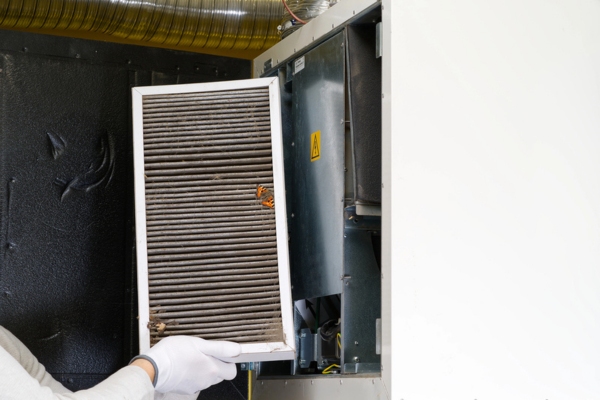
Many homeowners assume replacing an HVAC air filter annually is sufficient. However, most systems need a new filter every one to three months, depending on system usage, indoor air quality, household conditions, and the type of filter installed.
Your HVAC air filter plays an important role in maintaining indoor air quality and overall system efficiency. It captures dust, pollen, pet dander, and other airborne debris before those particles circulate throughout the home. As the filter becomes clogged, airflow is restricted, causing the system to work harder and use more energy.
A dirty filter may also allow pollutants to remain indoors while placing added stress on HVAC components. Inspecting and replacing the filter on schedule helps maintain proper airflow, protect equipment, and support cleaner, healthier indoor air.
Myth 2: A Larger HVAC System Always Performs Better
Many homeowners assume a larger HVAC system will provide better performance. This belief comes from the idea that bigger equipment delivers greater power or value. In HVAC applications, however, an oversized system often causes more problems than benefits.
Correct system sizing is essential for comfort and energy efficiency. An oversized air conditioner, for instance, cools the home too rapidly and shuts off before completing a full operating cycle. Frequent short cycling increases wear on components, lowers efficiency, and reduces the system’s ability to control indoor humidity.
Over time, this added stress can reduce the equipment’s lifespan and result in earlier replacement. A qualified HVAC professional performs detailed load calculations to make sure the system is properly sized for the home’s heating and cooling requirements.
Myth 3: HVAC Maintenance Can Wait Until the System Breaks Down
Many homeowners look for ways to reduce household expenses, but skipping HVAC maintenance often results in greater long-term costs. Some believe professional service is only needed after the system stops working. This reactive mindset increases the risk of unexpected breakdowns and costly repairs.
Routine HVAC maintenance helps prevent equipment failures, improve operating efficiency, and extend the system’s service life. Annual tune-ups allow technicians to inspect worn components, clean essential parts, test system controls, and address minor concerns before they become major problems.
Ignoring scheduled maintenance may also affect manufacturer warranty coverage if required service intervals are not followed. Preventive maintenance remains one of the most affordable ways to protect your comfort, preserve system performance, and safeguard your HVAC investment.
Myth 4: Air Leaks Are Simple to Find
HVAC systems consume a considerable amount of energy to maintain steady indoor temperatures. When air leaks develop, conditioned air escapes through hidden gaps, cracks, or damaged ductwork. The system must then run longer and work harder to replace that lost air, increasing energy use and equipment wear.
Finding these leaks is often more difficult than many homeowners expect. They are commonly hidden inside duct systems, attics, crawl spaces, or wall cavities, making a basic visual inspection ineffective. Homeowners can spend considerable time searching without locating the actual source.
Professional HVAC technicians rely on specialized diagnostic equipment, pressure testing, and detailed system inspections to pinpoint air leaks accurately. Proper sealing improves efficiency, enhances indoor comfort, and reduces unnecessary stress on the HVAC system.
Myth 5: The Thermostat Alone Ensures Accurate Temperature Control
A thermostat measures indoor temperatures and signals the HVAC system when heating or cooling is needed. When correctly installed and properly calibrated, it plays an important role in maintaining indoor comfort. However, it cannot resolve every underlying system performance issue.
Thermostat location has a major impact on accuracy. A unit installed near windows, direct sunlight, air supply vents, or drafty locations may record inaccurate temperature readings. These misleading readings can cause the HVAC system to cycle incorrectly or operate longer than necessary.
Additionally, homes with significant air leaks or insufficient insulation may struggle to reach the desired temperature even when the thermostat is working properly. Regular HVAC maintenance, proper thermostat placement, and a well-sealed home are all essential for dependable performance and consistent indoor comfort.
Frequently Asked Questions About HVAC Service Myths

Can Closing Air Vents in Empty Rooms Lower Heating and Cooling Bills?
Closing air vents in unused rooms can upset your HVAC system’s airflow balance and increase static pressure inside the ductwork. The added strain may reduce operating efficiency and contribute to premature component wear. Most central HVAC systems perform best when all supply vents remain open.
Is It Safe to Let the HVAC System Run Continuously During Extreme Weather?
Modern HVAC systems are designed to run for longer periods during extreme heating or cooling conditions, so extended cycles are generally normal. However, if the system runs continuously without reaching the thermostat setting, it may indicate poor insulation, duct leaks, or equipment issues that require professional inspection.
Can Ceiling Fans Help Reduce HVAC Energy Use?
Ceiling fans do not lower the actual indoor temperature. Instead, they create a wind chill effect that makes occupants feel cooler. When used properly, they can support higher thermostat settings in summer or improve air circulation in winter, helping reduce HVAC energy consumption.
When Should HVAC Ductwork Be Inspected?
Ductwork should be visually checked during annual HVAC maintenance and professionally inspected if you notice uneven airflow, excessive dust, or increasing energy bills. Over time, loose joints and deteriorating seals can reduce system efficiency and overall performance.
Will Upgrading to a Smart Thermostat Automatically Reduce Energy Bills?
Smart thermostats can improve energy efficiency through programmable schedules and usage tracking. However, actual savings depend on proper installation, system compatibility, and how the thermostat is used. If insulation, airflow, or maintenance issues remain unaddressed, a smart thermostat alone may not significantly reduce energy costs.
Conclusion
Many HVAC myths arise from misunderstandings about how heating and cooling systems function. Understanding system performance, maintenance needs, and proper equipment design helps homeowners make informed decisions, avoid costly mistakes, and prevent unnecessary operating expenses and performance issues.
When questions or concerns arise, consulting a qualified HVAC professional is the most dependable solution. Expert evaluations and recommendations help ensure accurate diagnoses, effective solutions, and decisions that promote long-term comfort, energy efficiency, and lasting equipment performance.
Contact Fawcett Energy for Trusted Heating and Cooling Services in Massachusetts
Fawcett Energy delivers dependable heating and cooling services throughout Massachusetts. Our certified HVAC technicians provide maintenance, repairs, installations, and complete system replacements with a focus on quality workmanship and lasting performance. We help improve indoor comfort, support better energy efficiency, and keep your HVAC system operating reliably year-round.
We offer competitive pricing and preventative maintenance services that help extend equipment life and reduce operating costs. Whether you need a repair or are planning a system upgrade, our team provides practical recommendations tailored to your home’s needs and budget. Contact Fawcett Energy today to schedule your HVAC service or request an in-home estimate.
You can click here to contact us now or call us at 800-792-5678 to find out more! Click the link to view our service area.

Related Articles: