Boiler operation involves more than fuel or energy expenses. Hidden costs such as heat loss, inefficient operation, neglected maintenance, and aging components can gradually increase utility bills. Homeowners and businesses can keep boiler operating costs low by scheduling regular maintenance, improving system efficiency, adjusting temperature settings, and addressing minor problems before they become costly repairs.
This article covers the often-overlooked expenses of operating a boiler and practical ways to reduce energy consumption, control heating costs, and maintain reliable performance.
How Boiler Efficiency Affects Heating Costs
Boiler efficiency varies by system type and directly affects operating expenses. Condensing boilers typically achieve efficiency ratings above 90%, making them an economical option. Traditional non-condensing boilers remain common but generally operate at lower efficiency levels.
Efficiency determines how effectively a boiler converts fuel into usable heat, influencing overall heating costs. Annual Fuel Utilization Efficiency (AFUE) ratings measure this performance, helping homeowners compare systems and make informed decisions about boiler selection, maintenance, and long-term operating costs.
Overlooked Expenses of Boiler Operation
Boiler operation involves hidden expenses that can increase heating costs and environmental impact. Common examples include:
- Higher Energy Consumption From Poor Maintenance: Neglecting routine maintenance reduces boiler efficiency, forcing the system to consume more fuel to produce the same amount of heat. This increases energy bills over time.
- Frequent Repairs and Component Replacements: Boilers without regular servicing are more susceptible to breakdowns. Repeated repairs and replacement parts can create substantial expenses throughout the system’s lifespan.
- Higher Heating Bills From Aging Boilers: Older boilers generally operate less efficiently than modern models. Their lower efficiency ratings often result in greater fuel consumption and higher operating costs.
- Environmental Impact of Inefficient Boilers: Inefficient systems burn more fuel and generate higher carbon emissions, contributing to air pollution and climate change. Although these effects may not appear directly on utility bills, they represent an important hidden cost of boiler operation.
How Regular Boiler Maintenance Reduces Operating Costs
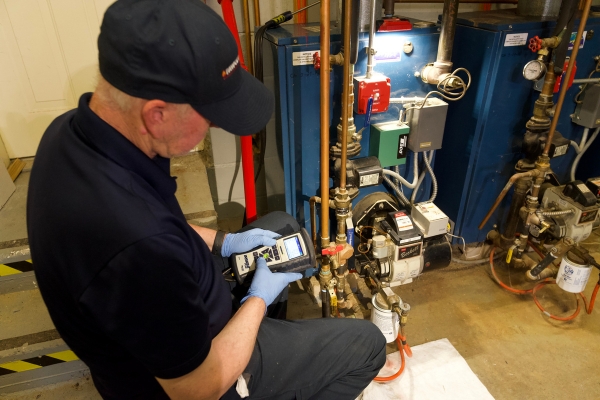
Routine boiler maintenance helps extend equipment lifespan, maintain efficiency, and prevent unexpected breakdowns and expensive repairs. Homeowners can perform basic upkeep, such as cleaning accessible components and checking for visible issues. However, complex boiler systems require professional expertise.
Qualified HVAC technicians can detect and resolve underlying problems that homeowners might overlook. Combining basic homeowner maintenance with regular professional tune-ups helps boilers operate efficiently, minimizes repair expenses, and reduces long-term operating costs.
When to Consider a Boiler Replacement
Knowing when to replace your boiler can help prevent unnecessary expenses and improve long-term performance. Common signs that an upgrade may be necessary include:
- Frequent system breakdowns
- Uneven or inefficient heating
- Rising energy bills
- Repeated repair needs
- Difficulty meeting heating demands
Upgrading to a modern, high-efficiency boiler can deliver substantial long-term savings. Newer systems use less fuel to produce the required heat, reducing energy consumption and operating costs. They also typically generate fewer greenhouse gas emissions, making them a more environmentally responsible heating option.
Additional Ways to Reduce Heating Energy Costs
The following energy-saving practices can help lower heating expenses and improve overall efficiency.
How Thermostat Settings Affect Energy Use
Proper thermostat settings help control energy consumption and prevent unnecessary boiler operation. Programmable thermostats automatically adjust temperatures throughout the day, reducing heating when spaces are unoccupied or less warmth is needed. This conserves energy and lowers heating bills without sacrificing comfort.
Improving Insulation to Minimize Heat Loss
Proper home insulation helps prevent heat loss through walls, roofs, and windows. By retaining indoor warmth, insulation reduces the workload on your boiler, lowering energy consumption and heating expenses while maintaining consistent comfort.
Smart Home Technology for Better Energy Efficiency
Smart home technologies improve heating efficiency through precise temperature control. Smart thermostats and compatible boiler controls can learn household heating preferences and automatically adjust settings to reduce unnecessary energy use. These features simplify heating management, improve comfort, and help lower operating costs.
Addressing Common Boiler Issues and Repairs
Common boiler problems include insufficient heat or hot water, unusual noises, leaks, and pressure loss. Several issues can be resolved with basic troubleshooting, such as resetting the boiler or adjusting system pressure according to the manufacturer’s instructions. However, more complicated problems require professional attention.
Regular maintenance helps prevent many boiler malfunctions, but persistent issues and suspected gas leaks demand immediate attention. If you suspect a gas leak, leave the area and contact your gas utility or emergency services. Qualified HVAC technicians can diagnose boiler problems, perform necessary repairs, and recommend whether repair or replacement offers the most cost-effective solution.
Innovations in Modern Boiler Technology
Advances in boiler technology have improved system efficiency and performance. Modern innovations include condensing boilers that recover heat from exhaust gases, smart controls that enable remote monitoring and automated operation, and systems that integrate with renewable energy sources like solar panels. These improvements help reduce fuel consumption, lower heating expenses, and minimize environmental impact.
Boiler Operation: FAQs
What Are the Main Causes of Boiler Inefficiency?
Common causes of boiler inefficiency include neglected maintenance, sediment buildup, improper system sizing, and outdated technology. These issues force boilers to consume more energy to meet heating demands, increasing utility costs. Regular servicing and timely repairs help maintain efficiency, prevent performance problems, and control operating expenses.
How Do I Know If My Boiler Is Properly Sized?
An undersized boiler may struggle to heat your home, while an oversized unit can waste energy by cycling on and off too often. An HVAC professional can determine the appropriate boiler size through a heat load calculation. This assessment considers your home’s square footage, insulation, window placement, and layout to ensure the system meets your heating needs efficiently.
Does Boiler Age Impact Energy Efficiency?
Boiler age can significantly affect energy efficiency. Older systems often experience declining performance, requiring more fuel to produce the same amount of heat. This increases energy consumption and heating expenses. Upgrading to a modern, high-efficiency boiler can reduce operating costs, improve heating performance, and enhance indoor comfort.
When Is the Best Season for Boiler Maintenance?
Late spring or early fall is an ideal time to schedule boiler maintenance. Servicing your system during the off-season allows technicians to identify and resolve potential problems before winter arrives. Regular maintenance helps prevent unexpected breakdowns, maintain efficiency, and ensure reliable heating throughout colder months.
Will a New Boiler Increase My Home’s Value?
Installing a high-efficiency boiler can increase your home’s appeal and potentially improve its resale value. Prospective buyers often favor modern heating systems that offer lower utility costs, reliable performance, and reduced environmental impact. A new boiler can enhance indoor comfort while providing long-term energy savings for future homeowners.
Conclusion
Managing hidden boiler operating costs helps reduce heating expenses, improve energy efficiency, and maintain reliable performance. Regular maintenance, high-efficiency upgrades, and smart energy-saving practices can lower fuel consumption and minimize environmental impact. These strategies help homeowners balance long-term savings with dependable heating and sustainability.
Fawcett Energy provides personalized heating solutions, modern boiler technology, and professional guidance to improve system efficiency. Contact our team for expert recommendations and reliable service to reduce operating costs and maximize heating performance.
Contact Fawcett Energy for Expert HVAC Services in Massachusetts, Southern New Hampshire, and Rhode Island
Fawcett Energy provides dependable heating and cooling services throughout Massachusetts, Southern New Hampshire, and Rhode Island. Our certified HVAC technicians specialize in system maintenance, repairs, installations, and replacements. With extensive training and years of experience, our team delivers professional solutions tailored to your comfort needs.
We offer competitive pricing on HVAC services designed to improve comfort and energy efficiency and reduce heating and cooling expenses. Whether you need routine maintenance, boiler repairs, or a complete system replacement, our technicians recommend cost-effective solutions that suit your home and budget.
Fawcett Energy is committed to quality workmanship, reliable service, and customer satisfaction. Call us today to schedule an HVAC service appointment or request an in-home consultation.
You can click here to contact us now or call us at 800-792-5678 to find out more! Click the link to view our service area.

Related Articles: