Does your furnace make a sudden bang at night or produce a sharp, high-pitched whine during the day? Strange furnace sounds can be an early warning that something is wrong. Leaving these noises unaddressed may reduce heating efficiency and eventually contribute to system failure.
This article covers the most common furnace noise and explains when you need professional service. Understanding what these sounds may indicate can help you respond promptly and keep your heating system running safely and efficiently.
Understanding Common Furnace Sounds
Recognizing unusual furnace noises can help identify problems early and minimize the risk of expensive damage. Here is what different furnace sounds may indicate and why addressing them promptly is important.
How Furnace Sounds Develop
A furnace relies on several essential components to heat your home effectively. The burner produces heat by combusting fuel, the heat exchanger safely transfers that energy to the surrounding air, and the blower motor circulates the heated air throughout the ductwork.
Under normal conditions, you may notice a soft hum as the blower operates or a short whooshing sound when the burner starts. These routine noises generally indicate that the furnace is operating as expected.
Knowing how sound moves through a heating system can help explain why certain noises become noticeable. Furnace sounds often come from vibrations as air travels through the ducts or from moving components, such as the blower motor and fan.
Common Furnace Sounds and What They May Indicate
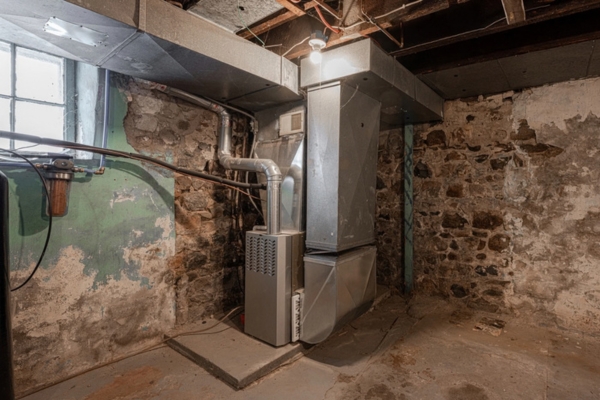
Unfamiliar furnace noises can signal developing mechanical or operational problems that require attention. Knowing what common sounds may indicate can help you recognize when your heating system needs professional service.
Loud Banging or Popping Sounds
Banging or popping can occur for several reasons. In gas furnaces, delayed ignition may allow gas to accumulate before suddenly igniting, creating a loud bang. This potentially hazardous condition requires immediate professional attention.
Popping noises may also occur as metal ductwork expands and contracts with temperature changes. While this can be normal, frequent or excessive popping may indicate loose fittings or areas where additional insulation could help.
Furnace Screeching or Squealing Sounds
Sharp, high-pitched furnace noises often point to trouble with moving components. Worn blower motor bearings or a loose, slipping blower belt are common sources of these sounds.
Squealing or screeching may indicate that affected parts need professional lubrication, adjustment, or replacement to avoid additional damage and restore quieter furnace operation.
Furnace Rattling or Clanking Sounds
Rattling sounds may result from loose fasteners, panels, or unsecured ductwork that requires proper tightening. Clanking, however, can point to a more serious problem involving the blower assembly or motor. These mechanical issues require prompt professional inspection to prevent further system damage and potentially expensive repairs.
Humming Sounds From the Furnace
A noticeable humming noise may come from the furnace transformer or blower motor. While humming is generally less urgent than other unusual sounds, it still deserves attention. Electrical problems or developing motor issues can worsen over time when left unresolved, potentially leading to more extensive furnace repairs.
Repeated Clicking From the Furnace
Ongoing clicking sounds can indicate an electrical or ignition-related furnace problem. Common sources include a malfunctioning ignition system, control components, or defective relays.
Persistent clicking may signal that electrical parts are beginning to fail and should be professionally inspected to maintain safe, reliable, and efficient furnace operation.
Identifying the Source of Furnace Noises
Some furnace sounds are completely normal during operation. A low hum or brief whoosh when the burner starts is generally expected. In contrast, sounds such as repeated clicking, loud banging, or sharp screeching warrant prompt attention.
These unusual noises may indicate problems ranging from delayed ignition, which can create a safety concern, to deteriorating components that could eventually cause a furnace breakdown without timely service.
HVAC technicians use specialized diagnostic equipment to pinpoint furnace problems accurately and determine the appropriate repair:
- Combustion Analyzers: Evaluate flue gases to measure combustion performance and identify unsafe carbon monoxide levels.
- Thermal Imaging Cameras: Reveal overheated parts and abnormal temperature patterns that may indicate electrical or insulation problems.
- Vibration Analysis Tools: Identify unusual blower motor and fan vibrations that may result from worn bearings or improper alignment.
- Sound Level Meters: Measure noise intensity to help distinguish routine operating sounds from potentially troublesome furnace noises.
- Manometers: Measure furnace pressure to verify safe operation while identifying airflow restrictions, pressure irregularities, or possible leaks.
These diagnostic tools let technicians evaluate furnace problems thoroughly without unnecessary disassembly, reducing downtime and preventing unnecessary repairs.
Why Professional Furnace Maintenance Matters
Regular preventive maintenance helps reduce disruptive and potentially hazardous furnace noises. During routine service, technicians can identify and correct minor concerns early, including dirty burners and loose electrical connections. Timely attention supports quieter, more efficient operation, lowers the risk of unexpected breakdowns, and helps prolong the furnace’s service life.
Experienced HVAC technicians also use specialized diagnostic equipment to identify and correct more complicated noise-related problems, supporting long-term efficiency and reliability. Resolving these issues promptly can restore quieter performance while reducing unnecessary energy consumption and operating costs.
A proactive maintenance schedule helps maintain dependable heating performance while reducing the risk of expensive furnace repairs.
Finding a Trusted HVAC Contractor in Massachusetts, Southern New Hampshire, and Rhode Island
When choosing an HVAC contractor, consider professional certifications, industry experience, and strong customer feedback. These qualifications can demonstrate technical expertise, dependable workmanship, and consistent service.
Fawcett Energy reflects these standards through a strong commitment to customer care and preventive HVAC maintenance without unnecessary sales pressure. Our team focuses on providing reliable service tailored to each heating system’s specific requirements, helping customers receive thorough care while building lasting confidence and satisfaction.
Frequently Asked Questions About Furnace Noise

How Frequently Should a Furnace Be Professionally Inspected?
Schedule a professional furnace inspection at least once annually, preferably before the heating season begins. Routine inspections can uncover developing problems, maintain system efficiency, and extend equipment life. Older furnaces or systems experiencing recurring issues may require additional professional evaluations.
Can a New Thermostat Help Reduce Unusual Furnace Noises?
A new programmable or smart thermostat may help reduce certain furnace noises when a faulty thermostat causes frequent cycling. Better temperature control can prevent unnecessary starts and stops, reducing stress on furnace components. However, noises caused by mechanical, electrical, or combustion problems require professional diagnosis and repair.
How Does Insulation Help Reduce Furnace Noise?
Insulation can limit furnace-related noise by reducing temperature-driven expansion and contraction in ductwork that may produce banging or popping sounds. It can also absorb some airflow and equipment noise traveling through the ducts. Properly installed insulation supports quieter operation while helping improve overall heating system efficiency.
Do Different Types of Furnaces Make Different Noises?
Yes, furnace sounds can differ depending on the system type. Gas furnaces may click or pop during ignition, while electric models can produce humming from electrical components. High-efficiency furnaces may create additional sounds from equipment such as condensate pumps. Understanding these differences helps, but unusual or persistent noises should be evaluated by a professional.
Can Unusual Furnace Noises Reduce Heating Efficiency?
Yes, abnormal furnace sounds can indicate problems that reduce heating efficiency. Rattling, squealing, or similar noises may signal mechanical issues that make the system work harder than necessary and consume more energy. Addressing the underlying cause promptly can restore efficient performance, prevent further wear, and extend the furnace’s service life.
Conclusion
Unusual furnace noises should be addressed promptly to protect heating efficiency, reliability, and safety. Banging, screeching, rattling, or persistent clicking can indicate developing problems that may worsen without professional attention. Early diagnosis helps prevent further damage and supports dependable furnace performance.
If your furnace begins making concerning sounds, contact Fawcett Energy for professional HVAC service. Our experienced technicians can identify the source, recommend appropriate repairs, and help keep your heating system operating safely and efficiently.
Contact Fawcett Energy for Trusted HVAC Services
Fawcett Energy provides professional heating and cooling services throughout Massachusetts, Southern New Hampshire, and Rhode Island. Our certified HVAC technicians handle system tune-ups, repairs, installations, replacements, and other essential services. With extensive training, practical expertise, and years of industry experience, our team services every HVAC system with care and precision.
We offer competitive heating and cooling service rates while focusing on dependable workmanship and long-term value. Our preventive maintenance services can improve indoor comfort, support energy-efficient operation, and help reduce heating and cooling costs.
Whether your system requires professional repair or a complete replacement, Fawcett Energy can recommend the right solution per your comfort needs and budget. We stand behind our workmanship and remain focused on customer satisfaction.
Call Fawcett Energy today to schedule HVAC service or request an in-home consultation. Contact our team now!
You can click here to contact us now or call us at 800-792-5678 to find out more! Click the link to view our service area.
Related Articles: